Why roadshows need dedicated cars
A roadshow is a series of tightly scheduled meetings, often across a city in a single day and across several cities in a week, where being ten minutes late cascades into every meeting after it. On-demand rides can't hold that schedule: you wait, you re-book, you lose the buffer. The standard for roadshows and investor days is as-directed (hourly) service, a dedicated car and chauffeur held for the day, on standby between stops.
As-directed is the right model
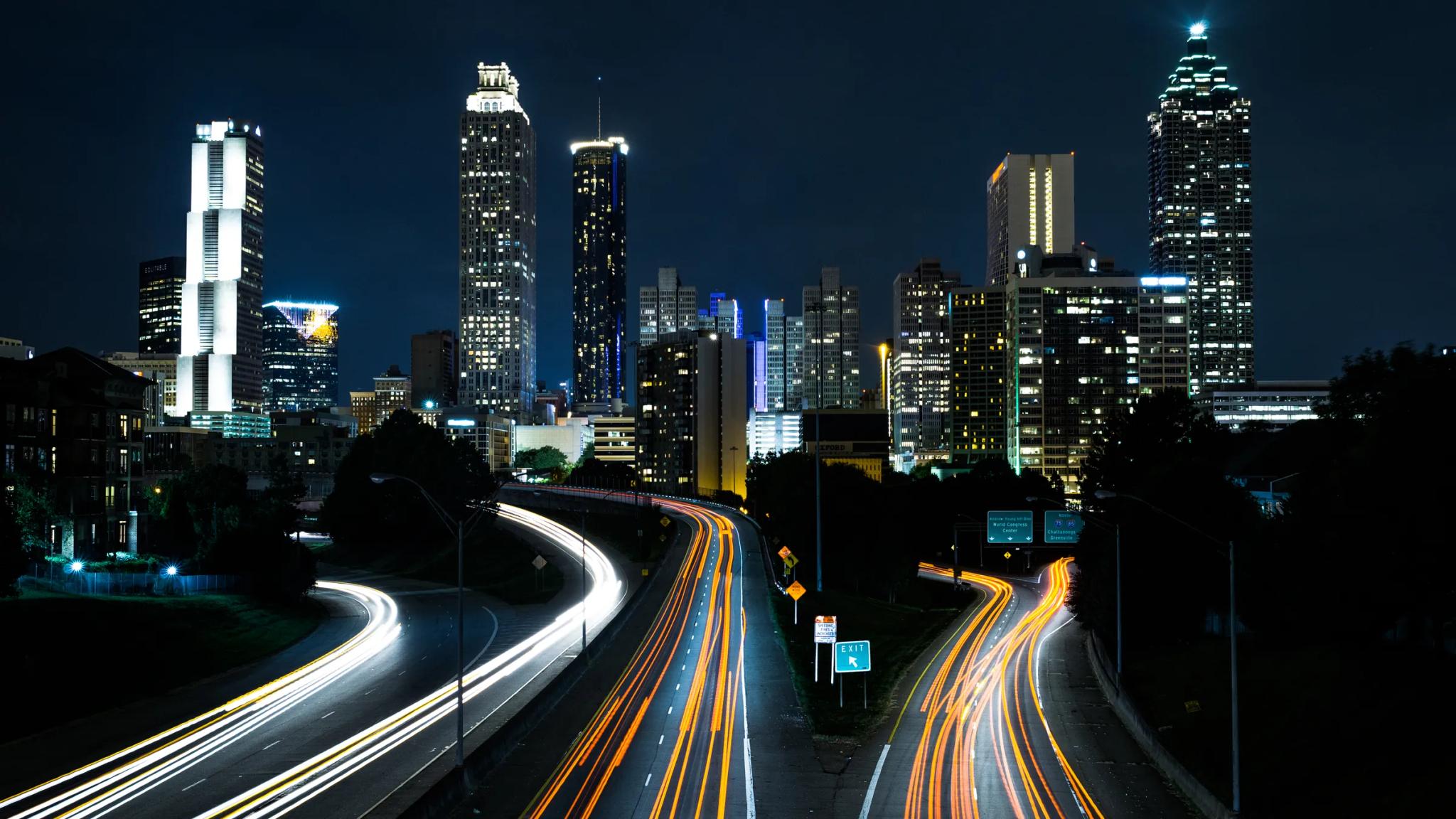
With as-directed service the same chauffeur stays with the team for the whole day, knows the itinerary, and is waiting at the door when the meeting ends. There's no re-booking between stops and no scramble in the rain. A roadshow might spend Monday in New York, Tuesday in Boston or Chicago, and finish with an Atlanta day that runs from Downtown and Midtown to Buckhead and Perimeter Center. With a vetted local chauffeur partner in each city and one point of contact coordinating all of them, every car stays on the same plan.
Build the schedule with buffers
Plan backwards from each meeting and add realistic buffers for traffic and overruns, meetings rarely end exactly on time. In any city, the first and last legs usually start or end at the airport; in Atlanta, for example, the buffer matters most on legs that use the Downtown Connector, GA-400 or I-285 at rush hour. Share the full itinerary with the provider in advance, including addresses, contacts, and any known constraints, so the chauffeur can plan routes and staging rather than react. A good account manager will pressure-test the timing before the day.
One point of contact for the day
On the day itself, the last thing an IR team or executive wants is to manage cars. A single point of contact who owns the itinerary, adjusts for a meeting that runs long, and keeps the day moving is what separates a smooth roadshow from a stressful one. Trip visibility lets the team see the next car is already waiting.
After the roadshow
Because it's booked as as-directed service at an agreed rate, the whole roadshow, whichever cities it visits, settles cleanly on one invoice rather than a pile of individual fares, which matters when the trip is being cost-allocated. For recurring roadshows, a corporate account keeps the setup and pricing consistent every time.