Why this needs its own plan
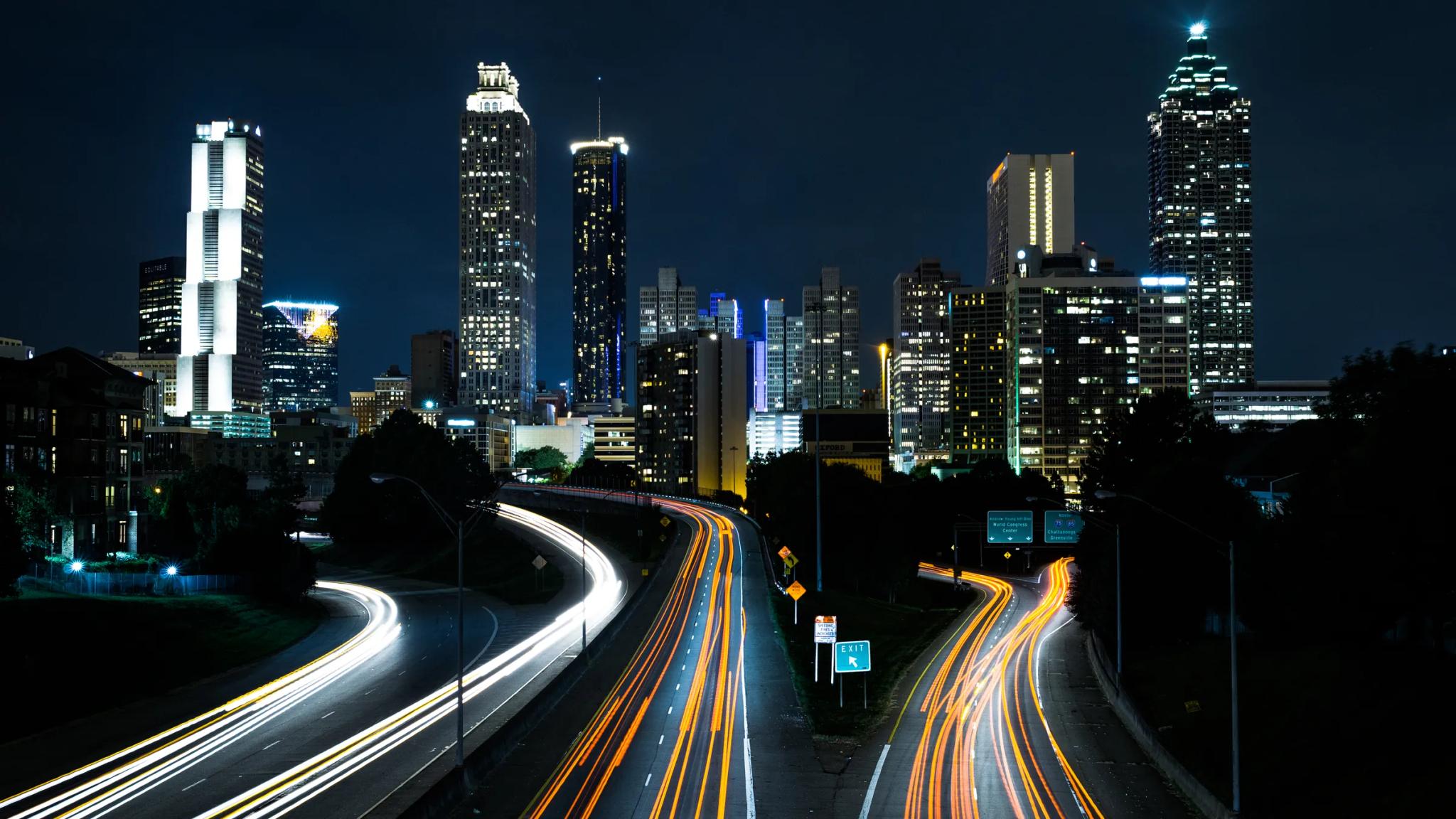
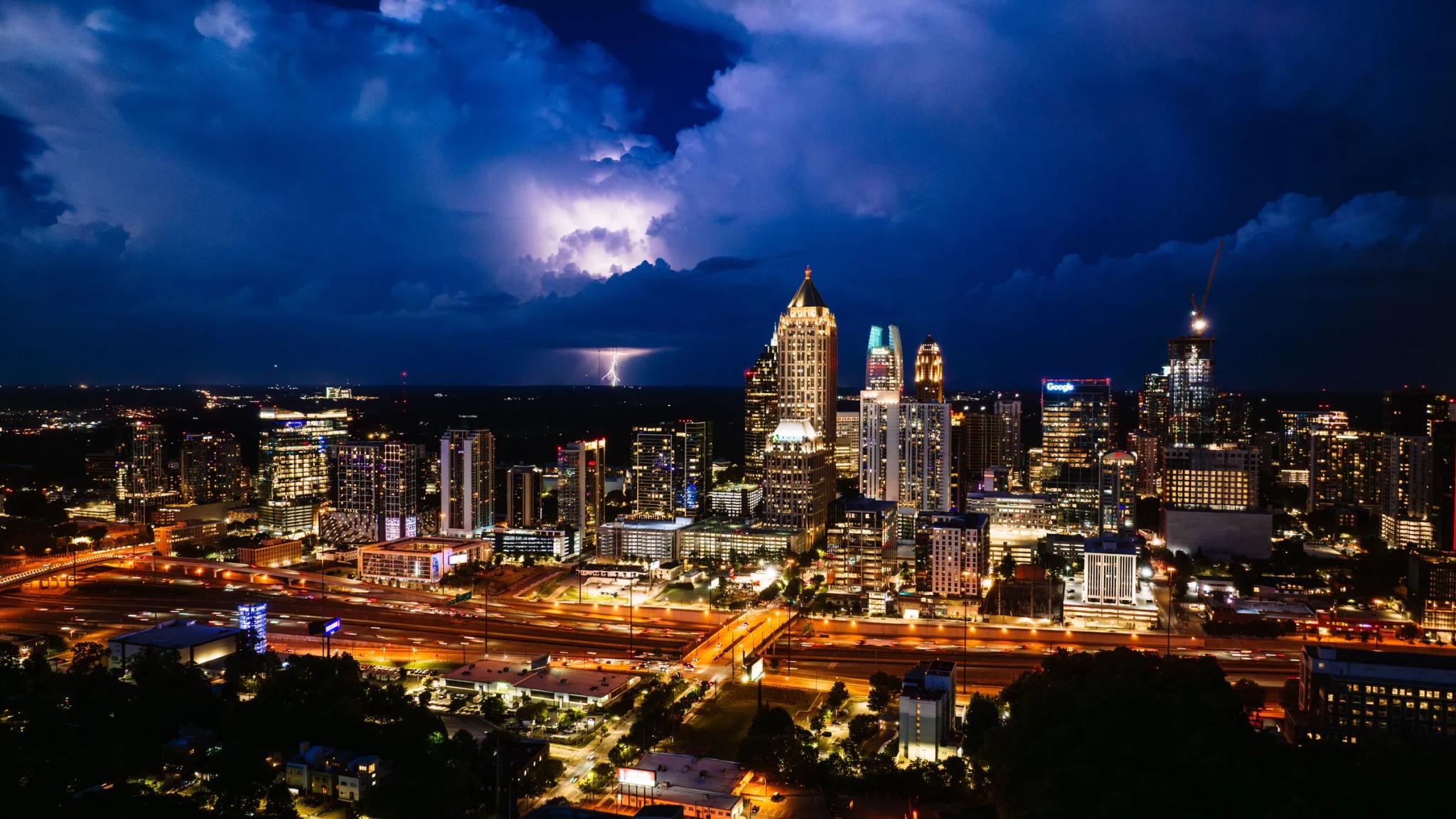
The weather that breaks a travel day depends on where in the US you're traveling: snowstorms and nor'easters in the Northeast, lake-effect snow and deep cold in the Midwest, hurricanes and tropical storms along the Gulf Coast and in Florida, wildfire smoke in the West, and summer thunderstorms across much of the country. In metro Atlanta, where our team is based, the disruptions aren't a long snow season. They're shorter and sharper: a summer thunderstorm that holds flights at Hartsfield-Jackson, a rare ice event that turns bridges and overpasses dangerous, the remnants of a tropical storm moving through in late summer or fall, or a big-event day that fills the roads downtown.
A travel program that only plans for clear roads and on-time flights ends up treating every one of these as a one-off emergency. Building contingency into the standard booking, rather than improvising it when a storm moves through, is what keeps a bad-weather day from becoming a missed meeting.
Weather holds and flight delays
A ground stop, a weather hold, or a diversion pushes an arrival time well past the original schedule, sometimes by hours, sometimes to a different airport altogether. Flight tracking has to extend to that scenario specifically: the pickup adjusts to the flight's actual, updated status rather than the original booked time, and a chauffeur holding through a multi-hour delay is the plan, not an exception that needs a new booking. If a diversion ends the flight at a different airport, the pickup location itself changes, so the trip is re-confirmed and the fare recalculated.
Thunderstorms and airport-side delays
From late spring through summer, afternoon and evening thunderstorms can pause arrivals and departures at Hartsfield-Jackson and at many other US hubs, and the knock-on delays often last well after the storm has passed while flights are resequenced. That time doesn't show cleanly in a flight tracker until it's already happening. In winter, de-icing queues add time of their own, routinely at northern airports and on Atlanta's rare icy mornings.
Meet-and-greet inside the terminal and a chauffeur who is tracking the flight rather than a fixed clock absorb that delay the same way they absorb any other: the pickup follows the actual landing time, so a late landing adds no charge, and the complimentary grace period starts when the flight lands.
Ice days, storm days and road conditions
In the Northeast and the Midwest, snow is a season to plan around, and a big storm can close roads and airports for a day or more. In metro Atlanta, snow and ice are rare, which is exactly why they disrupt so much when they arrive. A thin glaze on bridges and overpasses can slow the Perimeter and the Downtown Connector to a crawl, and many offices and schools close. In January 2014, just 1 to 3 inches of snow over parts of metro Atlanta left thousands of motorists stranded on roads and interstates, some for more than 20 hours. On a forecast ice day, the safest plan is often to move the trip, and the time to decide is the evening before, not the morning of.
Heavy rain brings its own problems, whether from a summer storm or a tropical system that has come ashore on the Gulf or Atlantic coast: standing water, slow interstates and poor visibility. In the West, wildfire smoke can do the same to visibility, and a fire can close roads at short notice. Road conditions change the safest and fastest route, sometimes hour to hour, and a chauffeur working the roads that day is better placed to adjust than a route locked in at booking. Building in extra time for a known system, rather than departing on a clear-weather schedule and hoping conditions hold, is the difference between a late arrival and a missed one.
Big-event days
Weather isn't the only thing that fills a city's roads at once. In any major US city, a big game, concert or convention does the same. In Atlanta, a sold-out game or concert at Mercedes-Benz Stadium or State Farm Arena, or a large convention at the Georgia World Congress Center, concentrates traffic downtown at predictable times. Check the event calendar when you book a downtown pickup, agree on a pickup point a short walk from the crowd, and add time to any trip that crosses the core near the start or end of an event.
Building it into the account, not the exception
The point of a corporate account is that a booking made on a storm day follows the same rate, standard, and flight-tracking commitment as one made on a clear day, agreed once rather than renegotiated every time a forecast turns. A program that only plans for good weather ends up handling every disrupted trip as a special case; one that builds contingency into the standard covers it the same way, every time, in every season.